

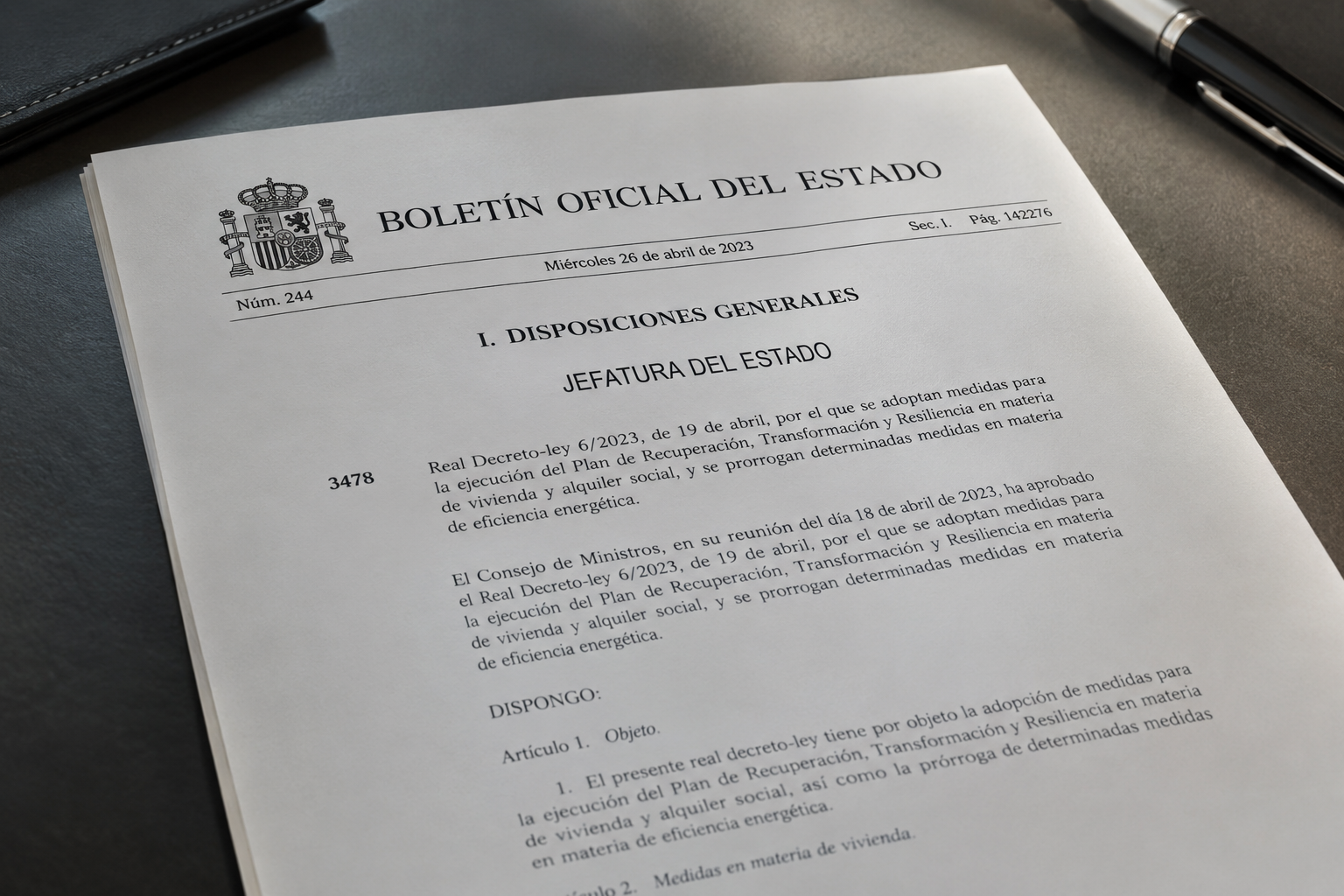
The regulation of the housing market continues to evolve. In recent months, the legal framework governing rentals and access to housing has undergone important changes that are worth understanding if you own a property, manage a residents' community, or are considering a real estate investment in Barcelona, the Maresme or the Costa Brava. At Fincas Caseuro, we have spent more than 30 years helping owners and communities navigate these changes, and today we want to explain clearly and without jargon what the new regulatory framework means in practice.
What does the new legislation cover?
The new housing decree published in the BOE aims primarily to strengthen tenant protections and introduce stricter regulation of the rental market in areas declared as stressed housing markets. This particularly affects major cities and their metropolitan areas, including Barcelona and many municipalities in the Baix Maresme and Alt Maresme, such as Mataró, Premià de Mar and El Masnou.
Among the points that generate the most questions from property owners are the application of rent containment indices, the requirements for updating rents, and the disclosure obligations when signing a new tenancy agreement. All of these can have a direct impact on the profitability of a rental property if they are not managed correctly from the outset.
Stressed market zones: does this affect your municipality?
One of the key concepts in this regulation is that of the «stressed residential market zone». In simple terms, this refers to municipalities where rental prices have risen well above inflation, or where the financial burden on households to meet rental costs exceeds certain legally defined thresholds.
In Catalonia, the Generalitat has requested that a significant number of municipalities be designated under this classification, which activates specific restrictions when setting or updating rental prices. If you own a rental property in municipalities within the Barcelona metropolitan area or in coastal towns such as Blanes or Lloret de Mar, it is worth checking whether your municipality is included in this list and what limits apply to your tenancy agreement.
Obligations you need to be aware of as a property owner
The legislation introduces or reinforces a number of obligations for landlords that are important to keep in mind:
- Information in the tenancy agreement: the rental contract must expressly include the rental price reference index and the cadastral reference of the property.
- Cap on rent increases: in stressed zones, the annual rent update remains tied to regulated indices, not the open CPI.
- Large landlords: owners with five or more properties in stressed zones are subject to additional obligations, such as offering certain conditions before initiating an eviction process.
- Minimum duration: the mandatory extension of up to five years (or seven if the landlord is a legal entity) is maintained, except in justified circumstances.
How does this affect residents' communities?
Beyond individual tenancy agreements, the new legislation also has implications for residents' communities. For example, the regulation of tourist and seasonal rentals remains a contentious issue in buildings in Barcelona and in Costa Brava destinations such as Palamós or Sant Feliu de Guíxols, where many owners have opted for this model over traditional long-term letting.
Communities now have greater tools to regulate or restrict this type of activity through their bylaws, although the process requires a qualified majority and appropriate legal advice to ensure that decisions are valid and enforceable. Poorly managed agreements can lead to disputes between neighbours or legal challenges that end up before the courts.
How to adapt without losing profitability
Navigating such a rapidly changing regulatory environment can feel overwhelming, but with the right guidance it is entirely possible to maintain the profitability of your properties while meeting all legal obligations. Some practical tips:
- Check whether your municipality has been declared a stressed zone before setting or renewing a rental price.
- Update your tenancy agreements to include all the information required by law.
- If you own several properties, consider whether you fall into the category of «large landlord» and what additional obligations this entails.
- Consult a professional before initiating any proceedings to recover possession of a property.
- If your community wishes to restrict tourist rentals, make sure you follow the correct procedure at the general meeting.
At Fincas Caseuro, we are here to help you understand how this legislation affects your specific situation, whether you are an individual property owner or a member of a residents' community. Our team, with more than 30 years of experience in Barcelona, the Maresme and the Costa Brava, can guide you on rental management, community administration and any legal questions you may have. Do not hesitate to get in touch with us.